During the end of Autumn 2022 our family started to set up a plan for moving to Spain.
In November of the same year, we had already started to face important problems. Due to a quick decreasing quality of the Finnish welfare, during the last 7 years Finalnd has seen a decrease of the services and no variation (if not more expensive) in taxes payment from the citizens and residents.
Importantly, we were experiencing a poor healthcare system. The lack of public healthcare service such as pediatricians for children, or a family doctor (as there are in Italy and in Spain), was a bad surprise for me. After the poor care received during my pregnancy, it was especially disappointing to face all-alone-again the effects of the long-COVID that our child had started to show. As we say in Italian, peggio mi sento (I feel worse) thinking to what the doctors we had seen (privately). They had mentioned the possibility that our child’s health problems were increased by the cold, dry Finnish weather.
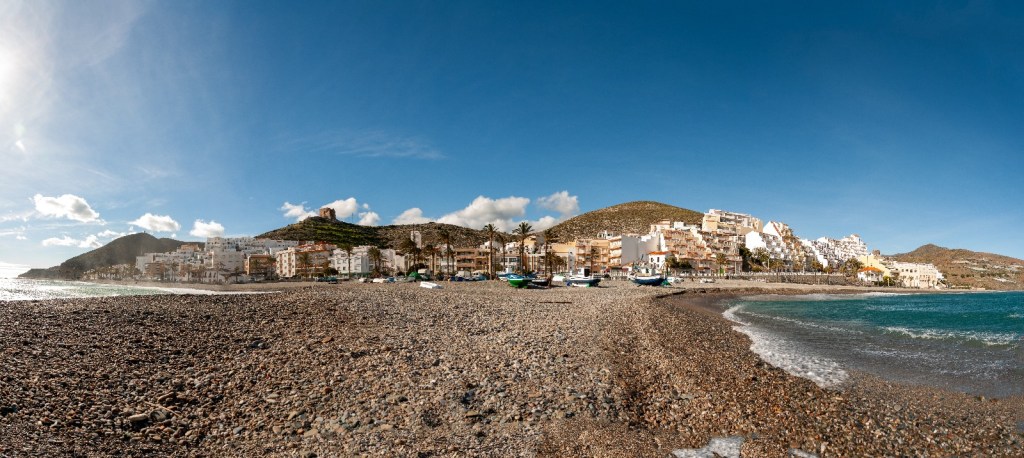
At some point, tired as two parents can be in front of a wall that will stay there despite their efforts, we told ourselves: could it be better elsewhere? Spain was already more or less in our mind. So we did one of the most obvious actions that one can imagine. We asked MrGoogle: “where is the best weather in Spain?” We asked a couple more questions of the same type and, among the others, we noticed a village: Castell de Ferro. With 245 days of sunshine a year and average annual temperature 36° degrees, this pueblo became immediately interesting to our eyes used to the temperature below zero and grey sky.
What else could we ask about the climate?
Day: the average temperature during the day is between 13°C and 26°C
Night:the average nighttime temperature is between 9°C and 22°C
Sea temperature: the sea temperature is between 16°C and 26°C
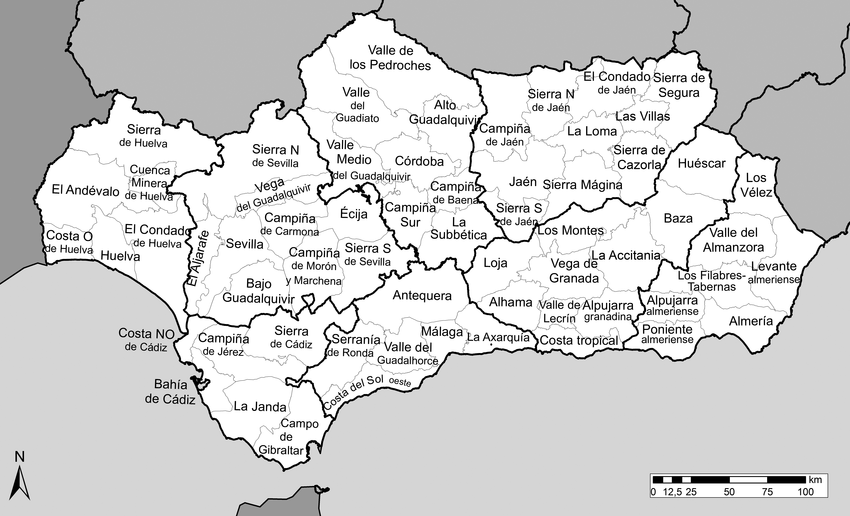
WOW. But where was Castell de Ferro? “Castell” is a Catalan word, but, interestingly, our Castell seemed to be in the Southern part of Spain, in Andalusia! A small village by the sea. We started the second phase of our curiosity trip. Searching pictures.
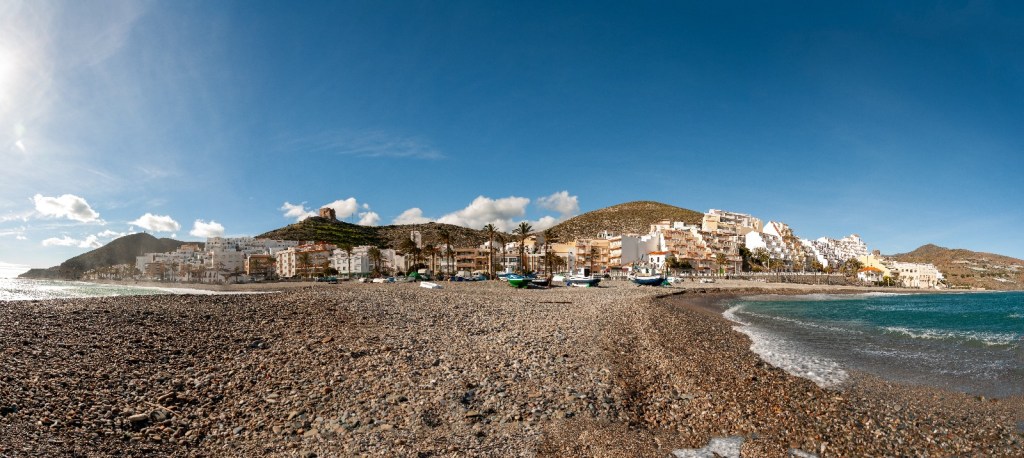
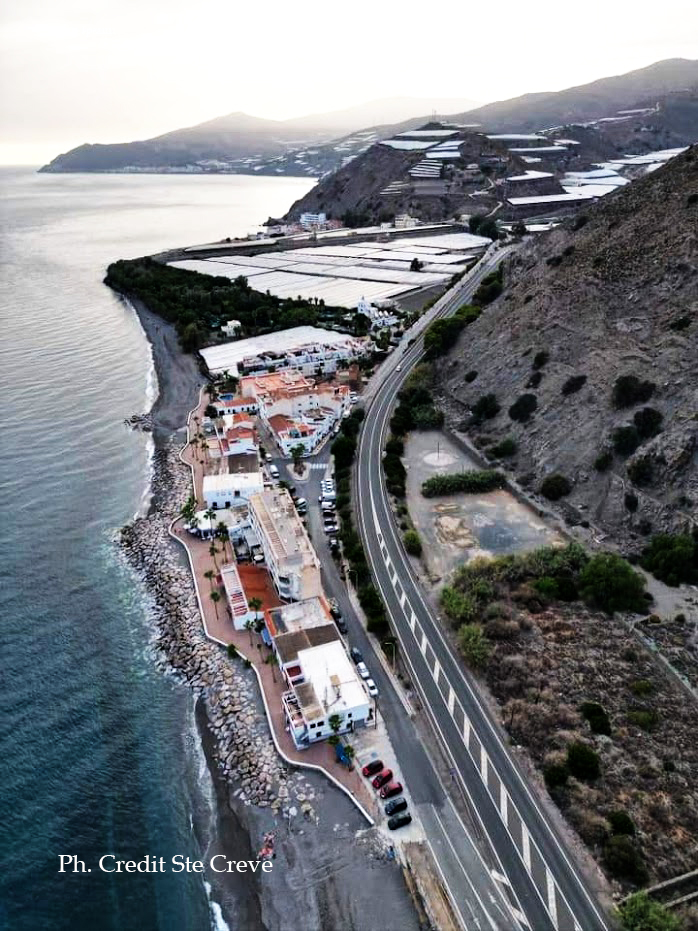
The pictures we found online told us a simple story of genuine living of fishing and agriculture. Local tourism made mainly of Spanish tourists but with a certain number of foreigners hanging around especially during the Summer time. It made us think about a life marked by nature. Those pictures and the information we reached told us nothing about massive invasion of tourism, crazy nightlife, skyscrapers and so on. No. We figured out that it could be a simple village where people live day by day.
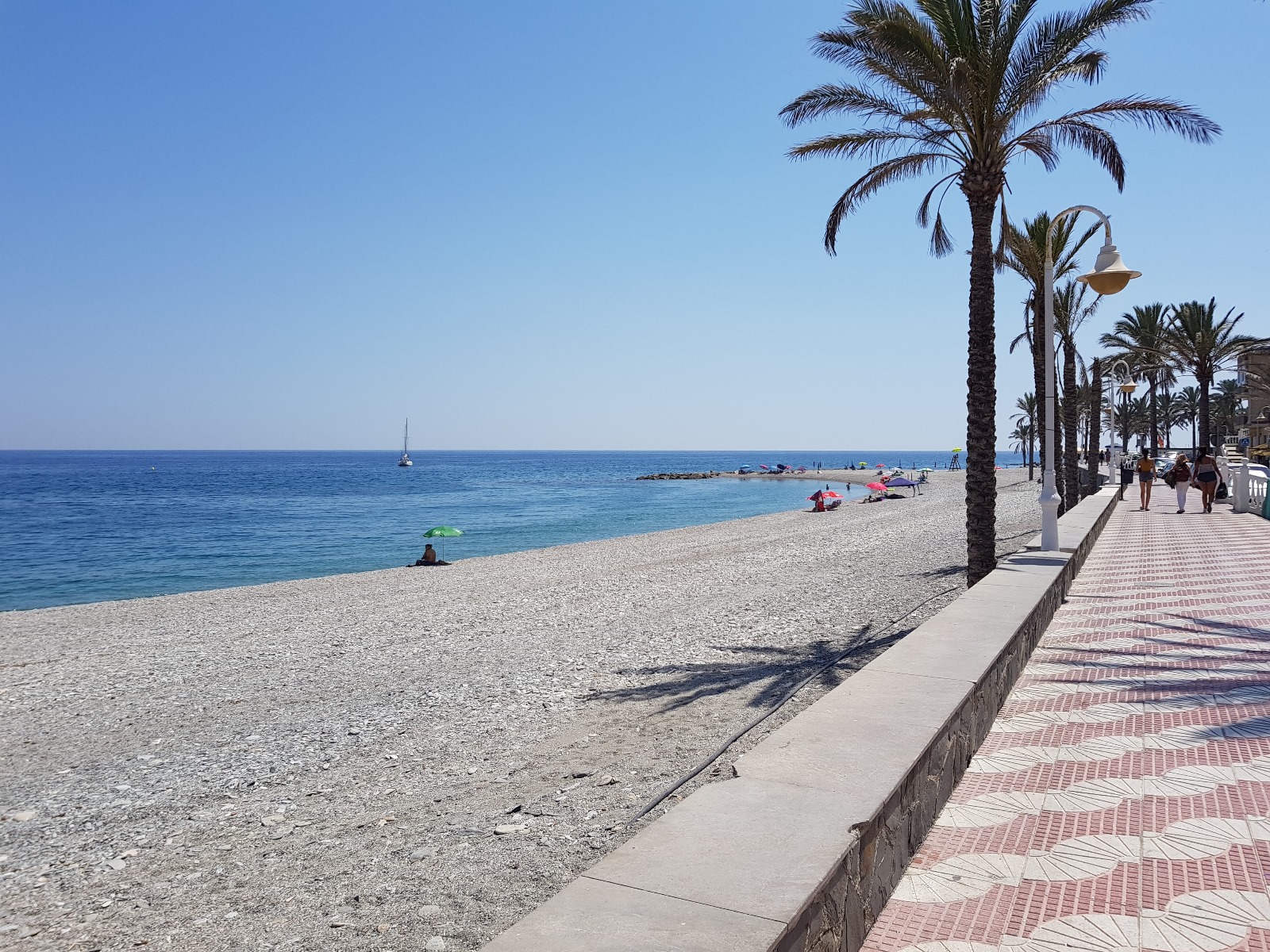
Going on with our research, during the next days we discovered that Castell de Ferro is one of the villages belonging to Costa Tropical.
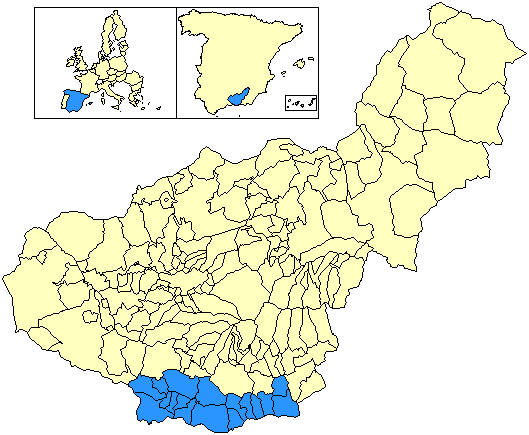
Again: what is Costa Tropical? It is the coastal area of Granada, in the Eastern part of Andalusia. This area can be considered somehow special within Europe because it is characterized by subtropical weather.
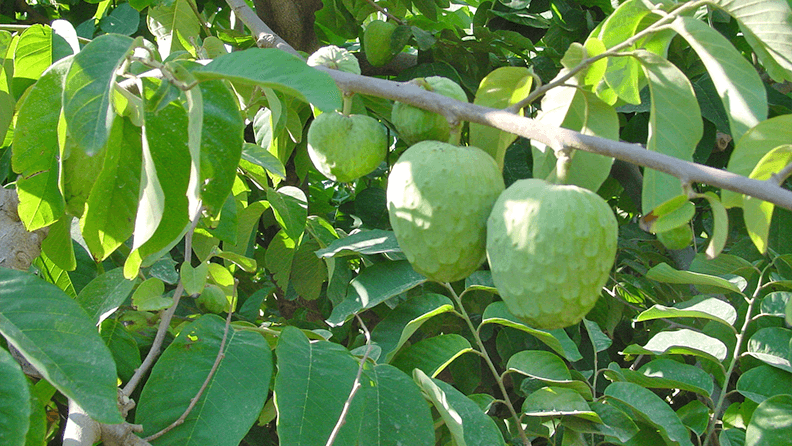
Costa Tropical produces, in fact, tropical fruits: avocados, mangoes, and also chirimoya (the last one totally new to us). A lot of what we read was a sort of new to us. We had been thinking that Andalusia was a dry, hot region of Spain, of course, we both knew that agriculture is a main thing for Spain, but it seemed that we had just found out something quite new to us.
Most important to our eyes: Costa Tropical has water, even though the rain is a rare event. Part of this water comes from the mountains of Sierra Nevada, which is at about one hour drive from the sea. How does the water arrive to the villages, and, moreover, to the fields? Basically, the villages seem to share the water.
And, repeating ourselves, another great new info for us was that this area is organized in a union of towns called Mancomunidad de Municipios de la Costa Tropical. In Spain, a “Mancomunidad de Municipios” is an association of towns sharing common interests. When possible, they try to optimize common resources and aim to realize certain works together such as building infrastructures.
Today, the President of the Mancomunidad de Municipios de la Costa Tropical is Rafael Caballero Jiménez whose program and goals for his mandate can be found here (in Spanish) and soon will be available in English in this blog.
One of the most important resources the Mancomunidad de Municipios de la Costa Tropical takes care of is the water. In fact, among the main goals of this Mancomunidad is to optimize the resources available for the support of agriculture, that represents the main income for the economics of Andalusia.
Well, this was not just a huge surprise. Was our dream coming true?
IF you liked this post and want to know more about our journey to Spain and Costa Tropical, Subscribe 🙂


 our journey to Spain
Leave a comment