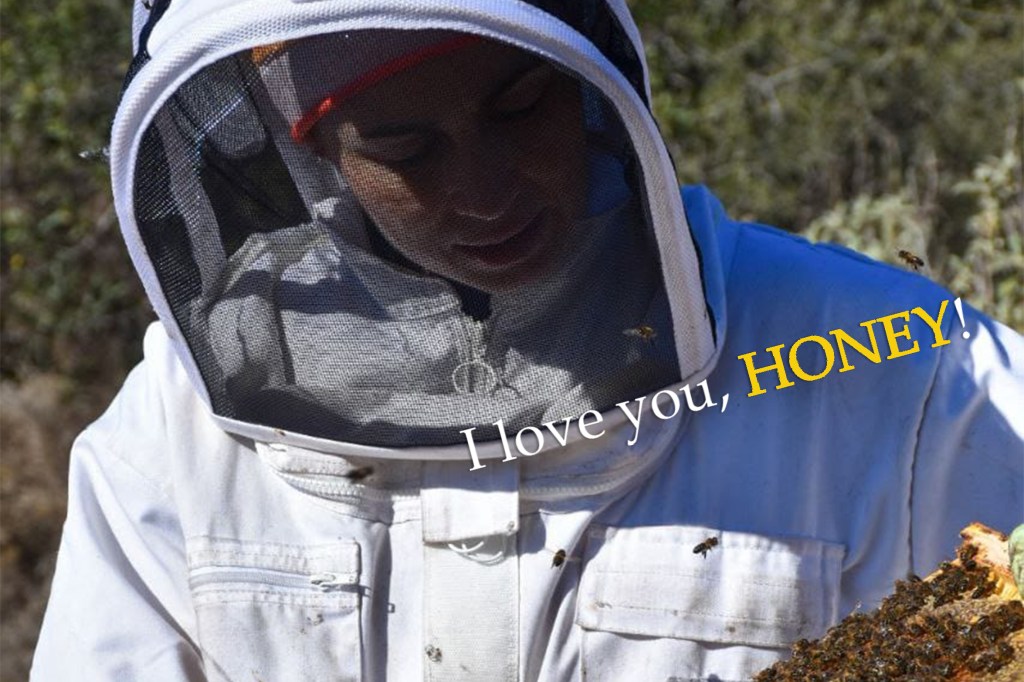
AS SWEET AS HONEY
and as strong as a woman. A story made in Gualchos, Costa Tropical
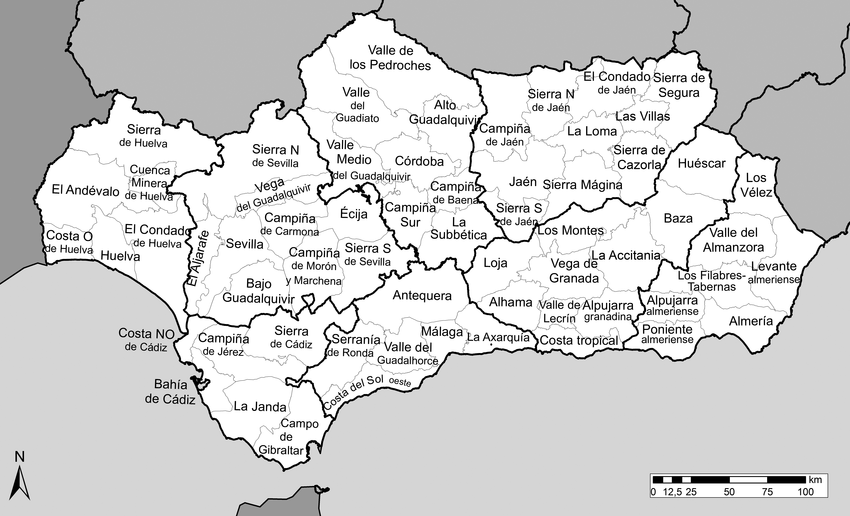
Gualchos is one of those places that make you feel in another time. It is a beautiful village situated at about 6 km from the sea coast, with its small streets, white walls and gifted with that warmth of people as seems to be typical of Andalusia. In this stunning place Paulina Rivas is living and working as a beekeeper.
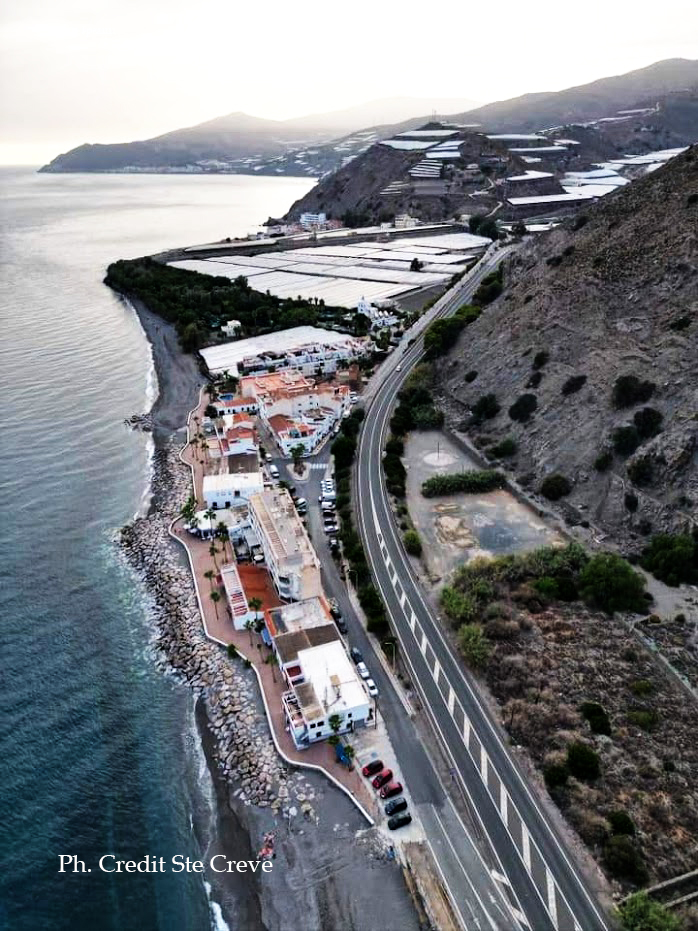
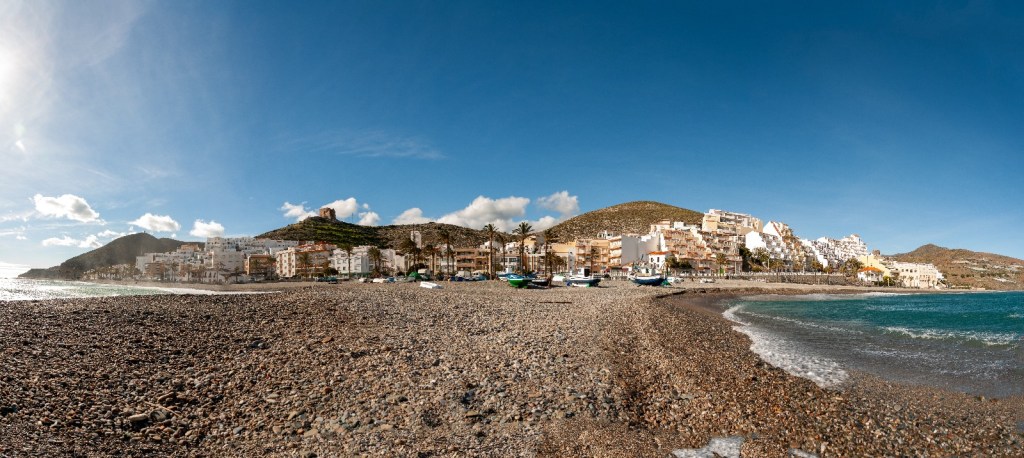
We met her in Castell de Ferro, on the seaside. Castell boasts a weather considered among the best in the Iberian peninsula, and we are enjoying it all in this beautiful February day. Gualchos and Castell (this is the way it is called in Costa Tropical) are the two faces of a coin, and together with the Romeral, share the same municipality.
So, the sun is shining on the sea town and, as just said, Paulina is a beekeeper. As soon as we exchange the first words, it raises from her words her love towards her family, the hives, and the enormous respect towards the environment and the places where she works. These elements are clear immediately, and my admiration for this woman starts here, when I ask her about her job. I am not aware yet of the intense experience she went through. Her experience, the way she dedicates herself to her work and family, her respect towards the bees that she accompanies and that have accompanied her for almost a lifetime, impress me greatly.
For this reason, differently than in the previous entries of this blog, this time we decided to record and report her interview in her own words. We don’t want to miss anything of her story.
Me: Paulina, what is your main occupation?
Paulina: I am a beekeeper. This job belongs to the category of cattle raising, and more precisely, bee breeding. In particular, my main job is to breed the bees, reproduce them, and I sell the swarm for the pollination. I also extract honey, pollen and propolis. This is what I mainly do.
M.: When did you start to dedicate yourself to this activity?
P.: Eight years ago. The age of my eldest child. Eight years, and I love it.
M.: How did you become a beekeeper?
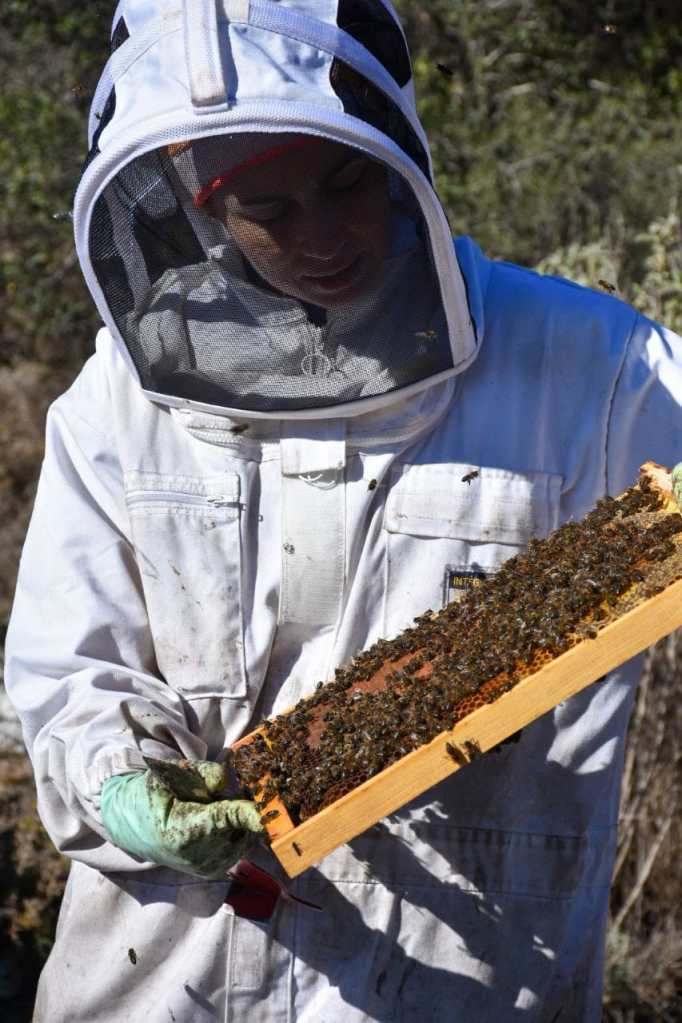
P.: The first time I got in direct contact with the bees was when I was 12 years old, with my elder brother who had a few hives. He loved the bees, and since he was a child, he had been observing our grandmother who had 3-4 hives for collecting some honey during the winter time. Here it was a common habit for people who lived in a countryside house to have some hives for self consume, actually, to spend a better winter. Before, the hives did not require so much care. It was natural the way they lived and survived.
A legacy of tradition: from grandmother to grandchildren
So, the first time I got in contact with the bees was through my brother. He smeared my hand with honey, and we got close to a hive. Step by step the bees started to fly toward me and reached on my hand, till it got completely covered with bees. We didn’t wear a mask, anything, and, well, yes in that moment I got nervous and my brother turned my hand, so the bees started to fly away one after the other, flying back to their hive. Unfortunately, a few years later my brother died in a traffic accident driving while working, as he was a truck driver.
My brother had a certain number of hives. When he died I started to look after his hives. I was worried about them as he cared about them so much, and I didn’t want them to perish. I started to look at them and this hooked me: the way the bees work, the way they gather, how they go forward when you take care of them, how they reproduce, all this was something I liked a lot. I had experience of about ten years as responsible of a shop in Granada. I worked for a well-known Spanish group, and the level of stress I had was huge. I was leading a group of 30 workers, and yes, for me, the possibility of living in contact with the nature, in the fields, this was quality life for me.
So, my first son was six months old, and what I did was to invest all my savings in this, as I decided to start my own business. I did not aim to become rich, but I wanted to try to do what I liked.
M.: How many hours do you work per day?
P.: I work all the hours I feel like working. I aim to have an average of 8 hours a day. Beekeeping is a lot of things. Many people think it is just leaving the hives in the field and then you go, collect the honey and that’s it! There are a lot of factors to take under control: cleaning the apiaries, keeping the apiaries clean, melt the wax, take care of the bees and not let them die. There are a lot of duties and there is a lot of work to do every day. Also during the weekends there is a lot to do, as I have to take care of selling: collecting honey, filling the pots, label, selling them. My work is my life in every sense. They coincide as my work phone is my private phone, and honestly I don’t feel I work too much as I love what I do. Let’s say that I don’t need to disconnect from my work.
The cycle of production: multi- and mono-floral honey
M.: How can you describe the “cycle of production” of the honey?
P.: Look, the honey is mainly collected during the Summer. In Winter you have to leave always a reserve of honey. According to my experience, the time I find optimal for recollecting (castrar is the Spanish technical word for recollecting) the honey is the end of the Summer, say September-October. The honey comes out more easily from the honeycombs, the honeycombs are mostly sealed, and this means that it’s been taken to the right humidity level.
- When the honey is collected once a year, and not after a specific flowering, the honey is considered multi-floral, the most common, of flowers.
- However, if there is a specific flowering of a given plant, for instance avocado, then you can take the hive to the given place, leave it one, two months and when it comes back, then you can collect. In that case you obtain mono-floral honey. If you take the hive to the flowering field of strawberry tree, or of thyme, then you’ll have the strawberry tree honey, thyme honey.
Finally, it is possible to collect the honey during any season of the year, given that there are flowers in the fields. Unfortunately there are less and less flowers.

M.: Do you produce something else apart from honey?
P.: My main activity is to produce bees for the pollination. (Smiles) I always say that I am not producing anything anyway, the bees are the ones who produce. Honey, fresh pollen, propolis, and wax are what I mainly collect. Then there is also royal jelly. For the royal jelly it is needed a lab. The one I have is bio, and I buy it from a company that is exclusively dedicated to recollect royal jelly, as the beekeeping field is very wide, and you cannot dedicate to all.
Then I also have other honey products for which it is necessary to have a different type of company. We are talking about soap, candies, but these are derived of honey that I don’t produce. I am mainly a breeder.
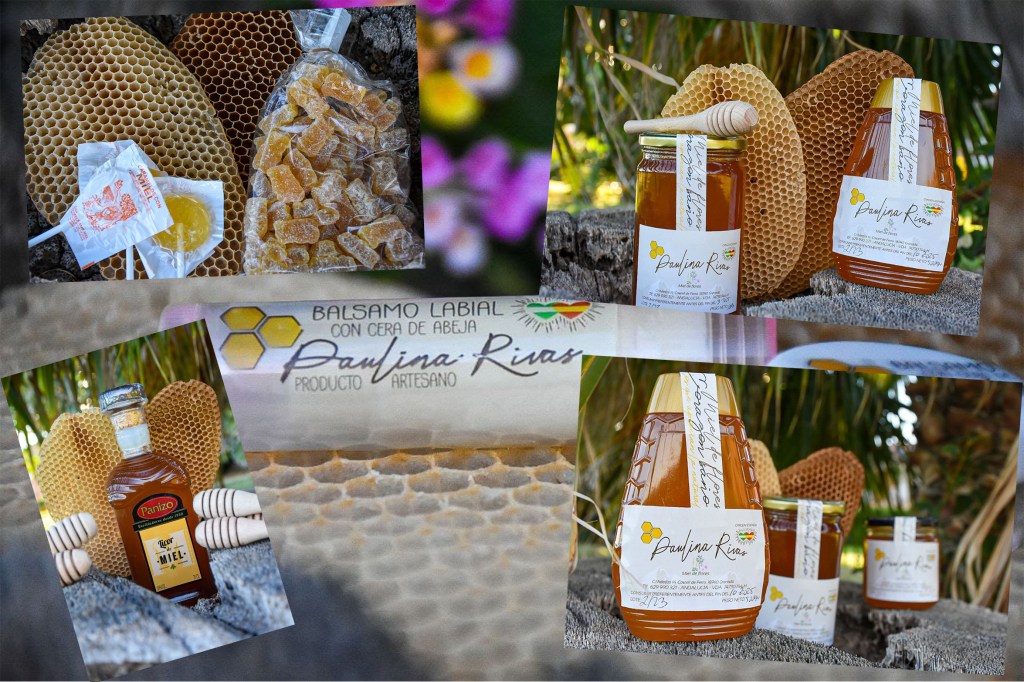
M.: How, where do sell your products? Do you take care of the selling part
P.: I sell my products directly. This means that I collect, bottle, and sell the honey. The same with pollen and propolis. It is true that I have never had a lack of request. I don’t even have a web page to improve the marketing as I produce enough for the demand I get. I sell it all very well and just in the surrounding area: in local shops, via open market places, and once a week I deliver it. The truth is that I cannot complain about it.
Sustainability. Because numbers count.
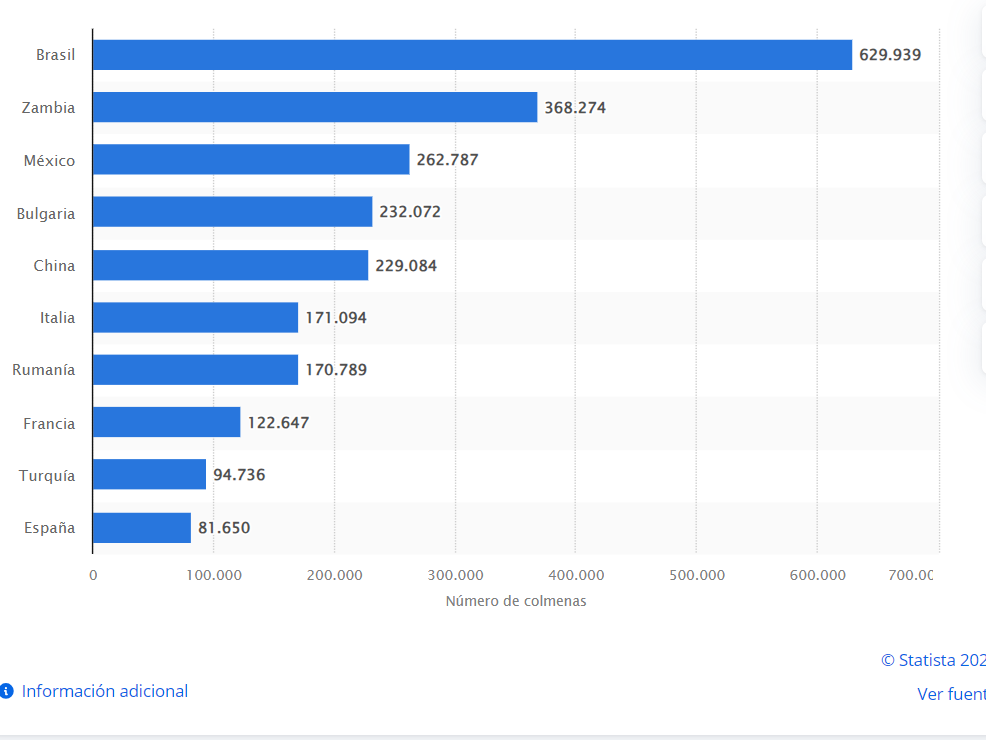
A few figures and numbers about beekeeping. According to Statista.com, in 2021, Spain, with its 81.650 hives is ranked in 10th position among the countries in the world with most registered organic hives, while Brasil, is the world leader with 629.934 hives.
M.: It seems that in order to be sustainable, beekeeping requires a certain number of hives. Is it true that there is a minimum requirement in order to have a sustainable production? I have read that it is needed something between 250 and 500 hives. For me this is a huge number!
P.: Well, yes. It is relatively true. I mean that in order to be sustainable there must be a certain production. This is something that can vary enormously, depending on the area and the environmental conditions, for instance. I have 500 hives and their production is not “regular”.
M.: By the way, another number I read is the quantity of honey produced: between 12 and 15 kg. Does this number sound realistic?
P.: also this depends on many factors. It depends on the flowers you have in the area and it also depend on the rain. During a year, some hives might produce nothing, and some might exceed the quantity you say. Mine, as an average, produce around 4 kg per year. It depends a lot on the environment. There are hives that produce till 40 kg! There are beekeepers that have collected 300 kg with only 12 hives. Consider that Andalusia is living years of a drought that is heavily affecting also the environment, and consequently, the life of the bees.
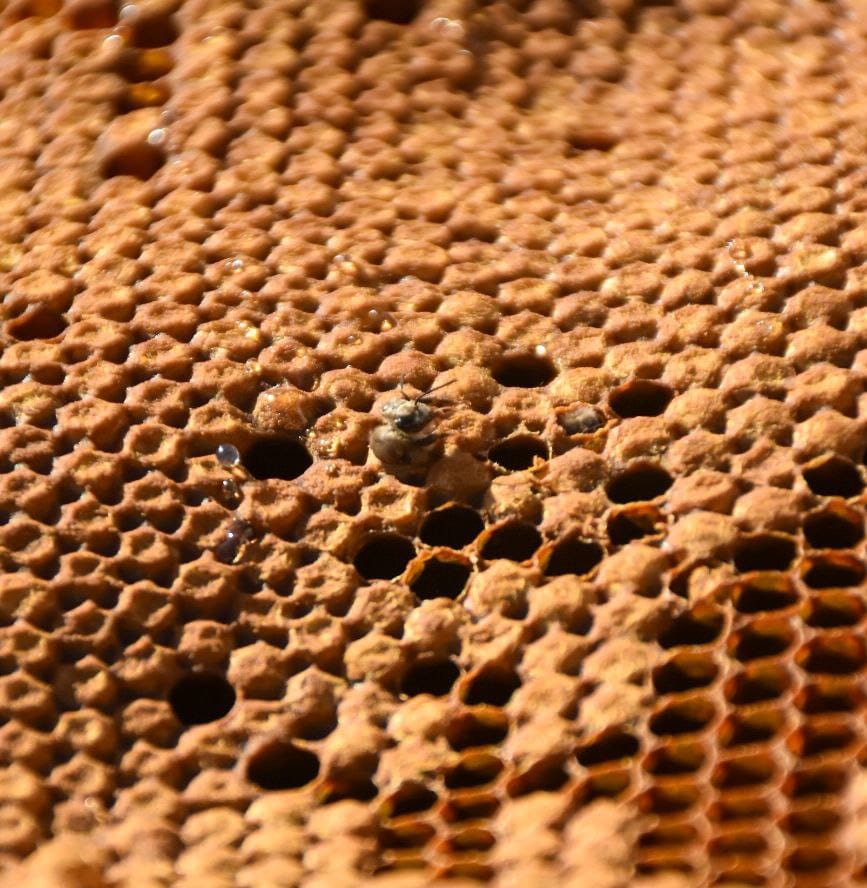
M.: In terms of space needed, with all what is affecting their possibility of surviving, what do they need? Is there a standard area or space they need?
P.: According to my experience, the hives can be located in a space that can vary. Everything depends on the flowers, the quantity of vegetation they have around, the rain. Le’s say that around the hives there should be at least 5 km of flowering land.
Long live the queen bee! …and all the other bees!
M.: There is people (like me) that are interested in the bees for their role in helping this world to survive because of the role they play in pollination, however, we do not have really accurate or direct information. Can you tell something about your own opinion about the importance of the bees for the environment, in such a delicate time.
P.: The bee is important, first of all, because the pollination depends on her, and on this depends the existence of more flowers, trees, and especially the so called “monte bajo” flowers, small flowers important for both, the fields and other animals. Second, when you are in a filed, breathing and smelling the scent of aromatic plants, breathing pollen, mint, lavender this boosts your immune system, it keeps the air clean. The same substances that stimulate our immunologic system, the micro particles are present in the honey. This is why it is important the consume of honey: to prevent diseases and stimulate the immune system.
M.: Please, Paulina, feel free to tell more about your experience. It is so unique for most of the people, that I think you can just share with us your knowledge and ideas.
P.: For me this (bees’ life in the world) is a chain. Let’s start from this: if each region preserves the native plants, people living there breath this air full of beneficial pollen. What is going on now? One of the problems we have is the lack of rain. Then there is air pollution provoked by airplanes, the drought, and let’s consider that also some animals eat bees: the lizards, birds, varroa mite which holds the bee and doesn’t let her fly. The bee is an animal that we have to cuddle and take care of. When it doesn’t rain, the air gets polluted, there are no flowers, how do bees survive? The bee is sensitive, and aromatic plants are fundamental for the life of bees, to get them clean, mite free, infection free. When these plants are in balance in the environment, people is exposed to less allergies.
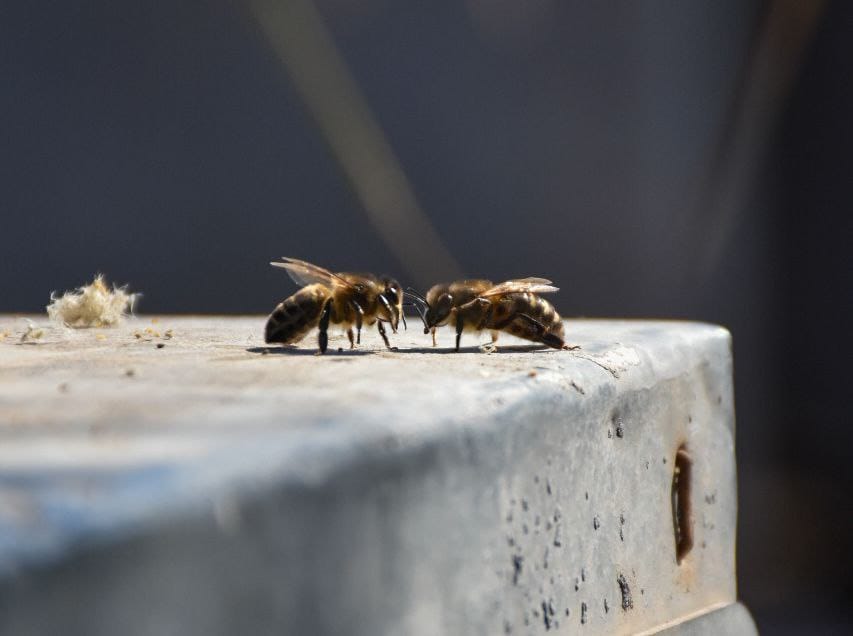
When these plants are missing, the bee get very sensitive and weak, the pollination is missing. I would say that Costa Tropical is switching to pre-desertic. I see it every day in the fields: there used to be water springs that are dry now. There used to be humidity, now less. Native plants have dried up, they do not flower anymore. Unfortunately, yes, I see the weather turning into dry more and more.
M.: It seems a difficult time for the bees and the hives.
P.: Yes, it is a very difficult time for them. Unfortunately, despite the difficulties encountered in order to preserve the hives, there is still some people who accuse beekeepers of “stealing the honey from the bees”. My answer to them is that there are diverse types of beekeepers, as in any job and work field. A main issue is anyway: the honey must be removed from the hives. If you do not remove the exceeding quantity of food, the bees will leave, because there won’t be space for them anymore. Then they’ll look for another place to settle down. They search a new home to build. So, we have to leave a certain quantity of honey for them for the winter, take away the exceeding pollen. The main problem when the bees leave, now a days is that they will move to palaces where it is not sure they will survive. You can notice, for examples, that in the caves there are not bees as it used to be in the past. I don’t know if it is possible to find any natural swarm as in the past. I haven’t met any since a while ago. In the past, they used to raise themselves. Today this is a very sensitive topic, and they are endangered. I think that they wouldn’t survive by themselves, today.
A personal note
M.: It seems you observe the environment and the bees a lot. Can you tell something else about your ideas about the bees. What is their life like? In a few words, what do they represent for you?
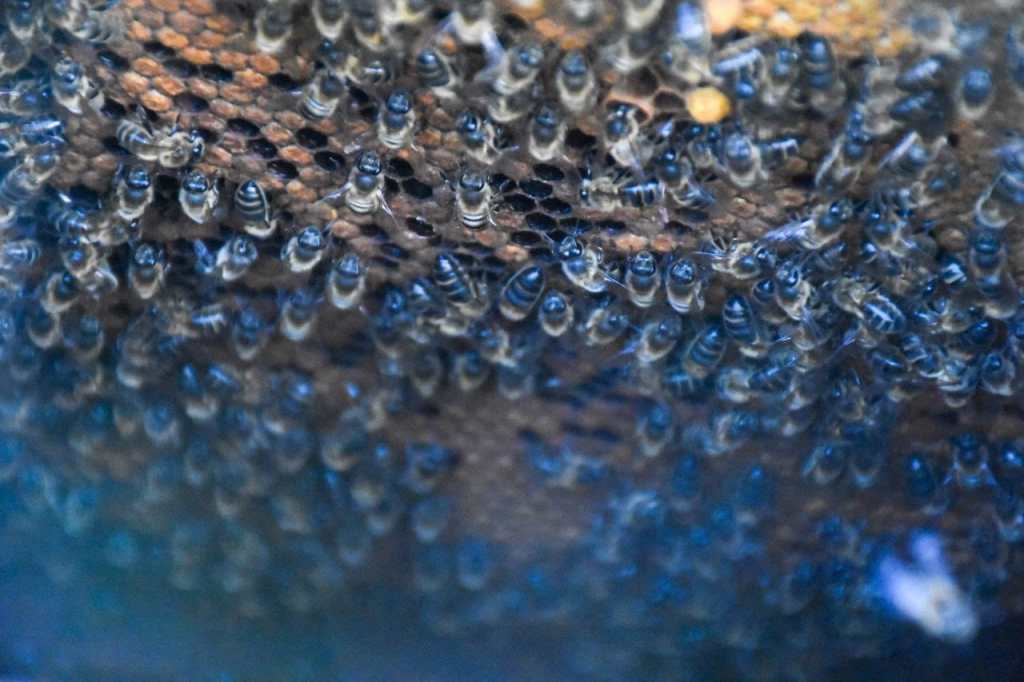
P.: For me, the bee, their behavior, the functioning of their society is spectacular! How they work, how they build, how they generate the wax, the division of tasks within their society -some of them clean, some raise their children, some take care of the queen, their way to associate, organize, how they build the honeycombs as if they were architects. For me observing them is charming. Once you understand them, already when they fly you understand if they have honey, if they don’t if they carry pollen. You can know a lot by observing their way of flying. the bees give us the possibility to get stronger immune system, and this is important for children as well as for adults. What else? For me they are an example of perseverance and work. For this reason, working with them is very difficult. Every day all year round, if it is cold or hot, you have to be there.
M.: Thank you so much for writing for us a stunning page our blog!
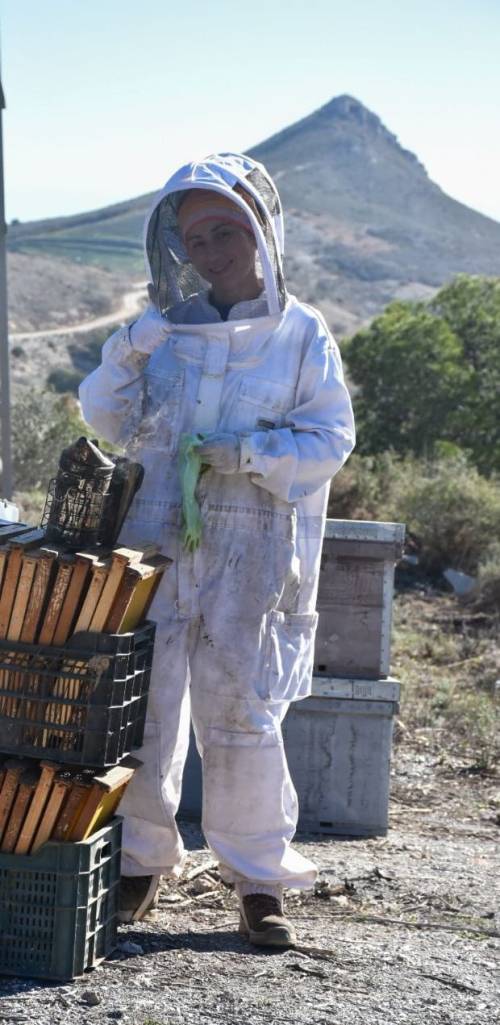
We leave Paulina with a smile and a lot of emotions, and, moreover, with the idea that someone is taking care of this world. A kind of hero with an overall and a mask. Just like any superhero!
If you liked this post and want to read more about our journey to Spain, enter your email address, and click the Subscribe button below! We’ll send you a message when a new entry is out!


 our journey to Spain
Leave a comment