
We had a month break from our blog and you, our beloved reader, due to the organization of our journey to Spain. We got a lot to do, as it is usual, in case of moving a whole family. We had to sell a lot of stuff, organize our properties and bureaucracy, sending to Spain part of our belongings via a courier, finalizing the payments of the place rented in Spain, organizing the schooling for our child.
We had the support of Ari’s mom, his aunt, and, the most important, Ronja, his first daughter who we thank a lot. Moving to another country, temporarily or permanently and being physically far from your children (whether you see them often or not) is not easy. It is not even easy if they have their own life, they show they are grown up and have their own projects. It is not just a small step for anyone. So it was in this case. Missing someone is sometimes difficult to say, but the heart has its way to feel it even against reason.
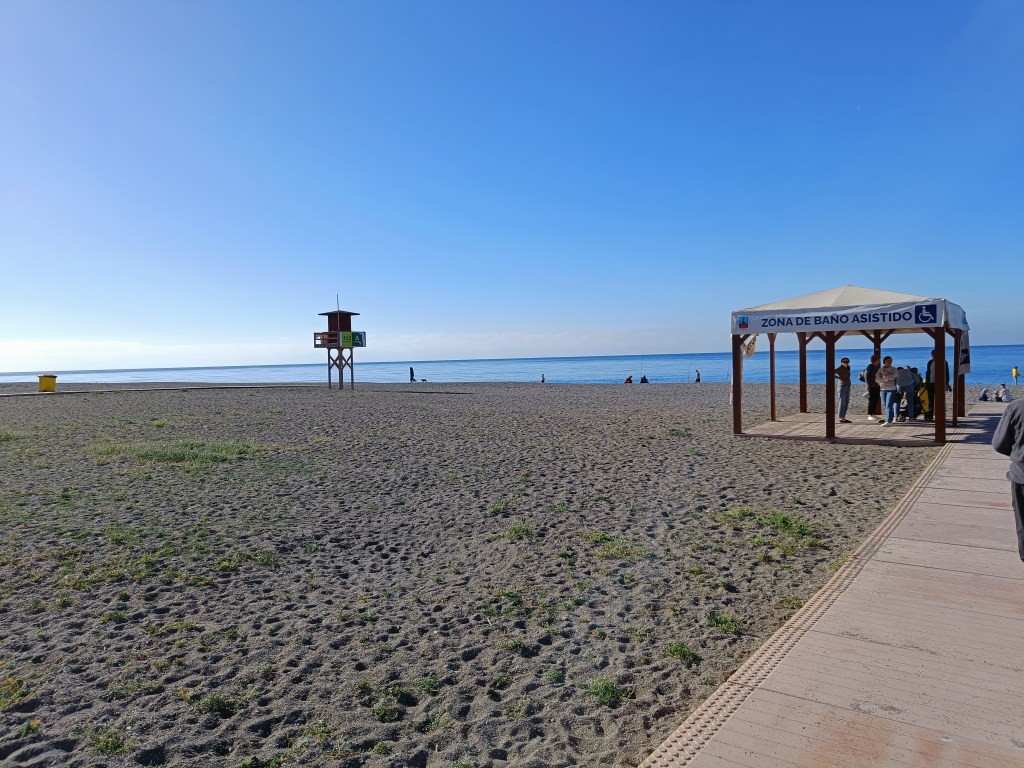
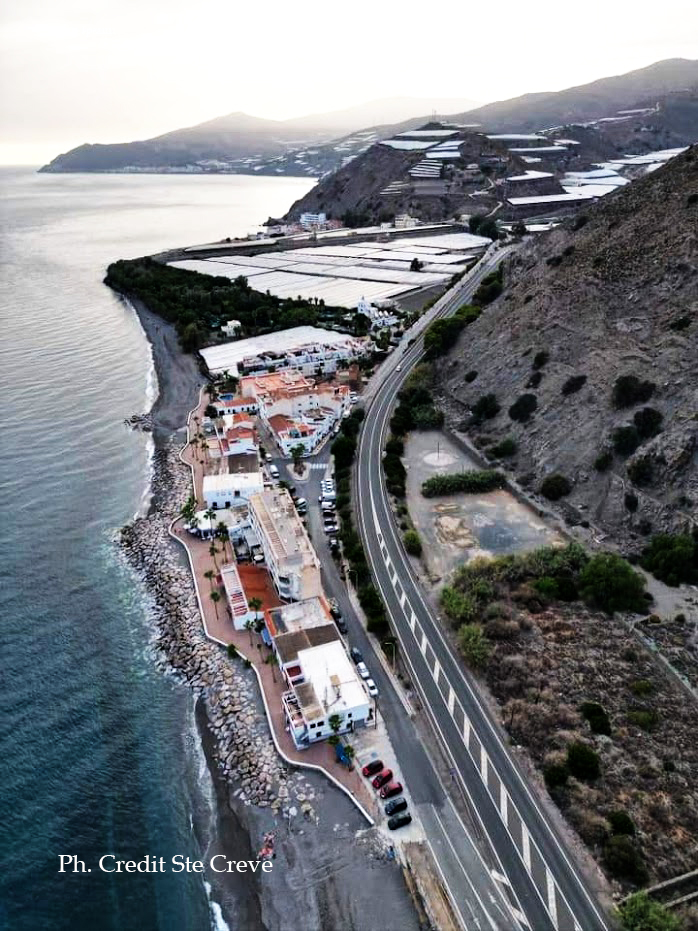
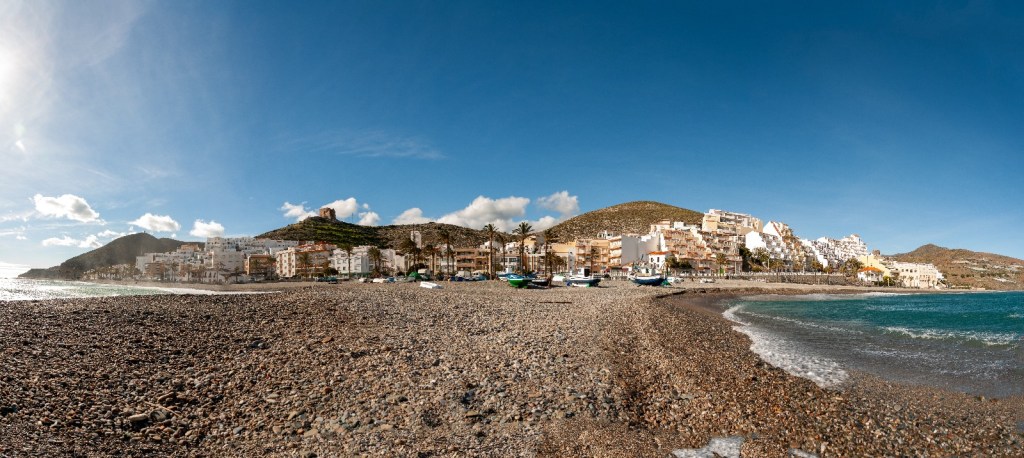
So much to do, so much to think about, but here we are: in Costa Tropical!
In this post, and the ones that will come in the next days, we shall try to describe some of the official steps required to organize the living of a family coming to Spain from abroad. As we are EU citizens and EU passport holders, what you will find in this blog has a main value for people with a similar background. For this reason, as usual, we will try to get you some guidelines to move your first steps registering in Spain. But, remember, again, our experience is ours, and yours is yours, of course, and you might need something different from us. However, we can share general information that can be useful, to some extent, to EU passport holders.
Registration in the place where you move: empadronamiento
The first week since our arrival we started immediately to officialize our address. As I speak Spanish, I have to say that everything went very smoothly.
The first step for us was to get an empadronamiento, that is a registration at the town hall in the place where you are going to live, and at this link you can find a general definition and more information. An empadronamiento, in fact, states the time and place of your permanence (how long and where, for example) in Spain.
In order to get it, you have to fill some papers at the town hall (Ayuntamiento). More precisely, you need a contract of your rented apartment (or whatever type of accommodation you have), your passports, and email address, and possibly a Spanish phone number where the local police or the same office where you apply for the empadronamiento, might reach you. A few days after your application is submitted, you will receive a visit from the local police which will check that the information you gave a reliable and you actually live at the address you gave. They will come anche check knocking at your door or ringing your door bell. Open and let them in.
As already mentioned above, everybody should get first hand information, that can be obtained asking by themselves at the own local town hall. Again, each town, country of origin, and person have own characteristics, but this is what more or less can be considered as general guidelines. For people who live in Granada, for example, the link to the general information is here.
We found very helpful people taking care of our empadronamiento and all the procedure was clear and easy. Thanks to our ayuntamiento!
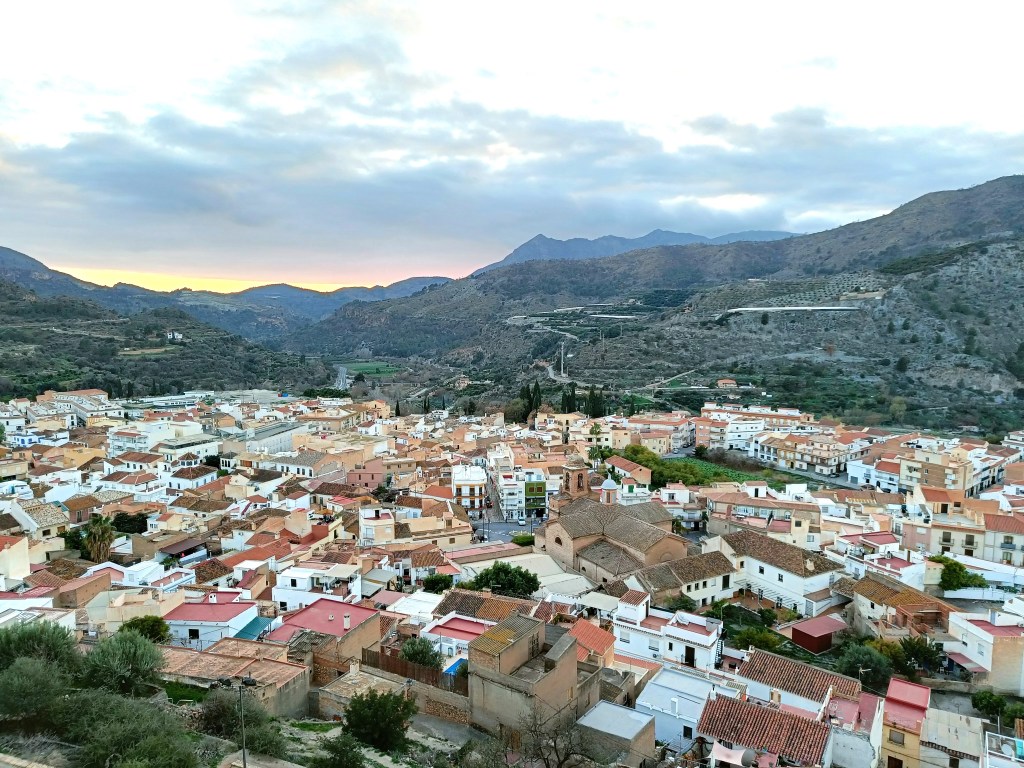
Ya estamos en Vélez!
Would you like to know more about this phase of our journey? Let us know in the comments section.
If you like our contents, subscribe by entering your email address in the box below. You’ll get a message when a new post is out 🙂








 our journey to Spain
Leave a reply to Tony Hill Cancel reply