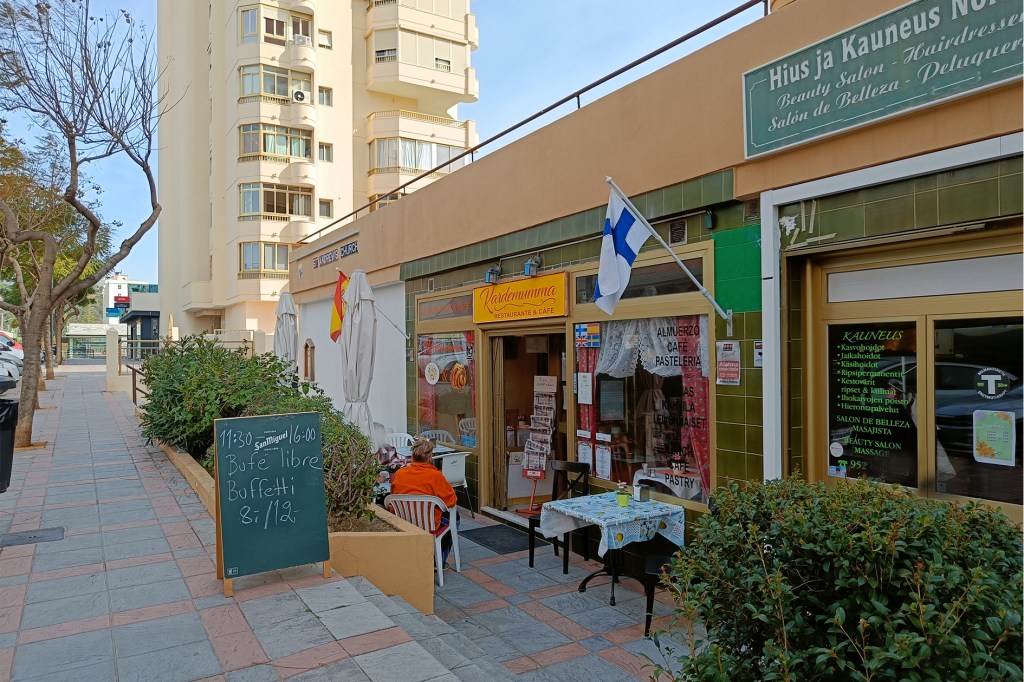
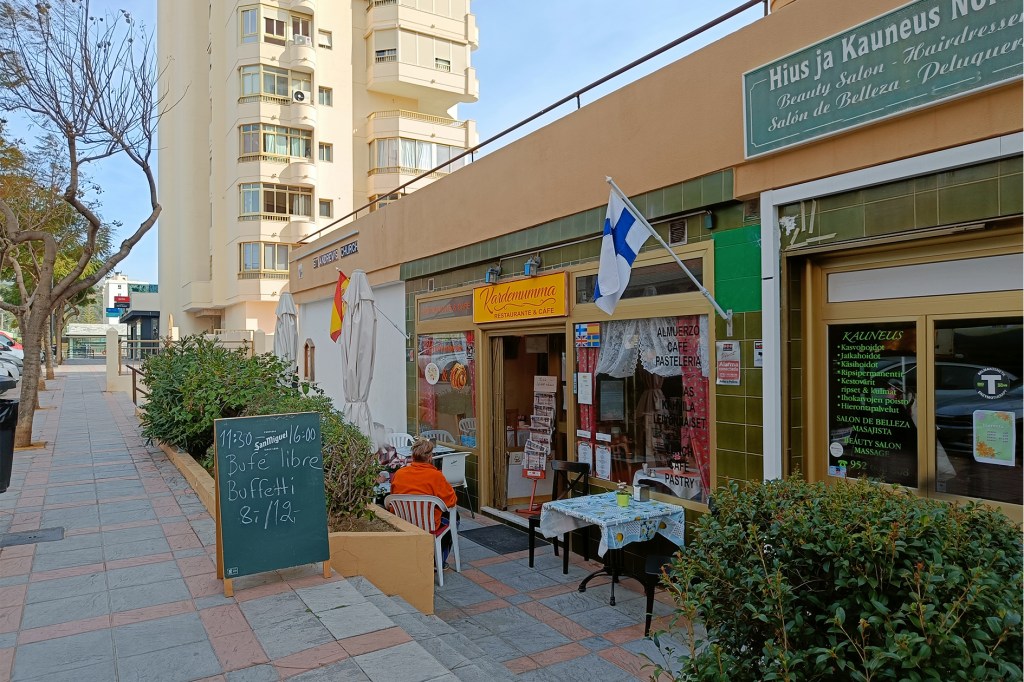
In Spain, Finns are mostly based in a couple of towns. The highest numbers are recorded in Fuengirola. As an Italian, I have to admit that I had never heard of that town (sorry!) till I moved to Finland. As a joke, Finns say that Fuengirola is the most Southern Finnish town! But how did this immigration from Finland to Spain start? And why?
How did Fuengirola become popular among Finns?
I found an interesting article in Sur in English, that explains all the story, and it can be read following the link here.
Shortly, it seems that the first Finns who moved to Fuengirola in the 1970s where athletes. Teuvo Raivo Hakulinen set up a training camp for the Finnish athletes in 1974. As the Finnish Winter does not allow to train outdoors, being constrained in cold, dark, icy and snowy weather, the athletes found a great place in the sun were it was possible to train outdoors also during the Winter season. Curiously, those athletes who trained in Fuengirola and participated to the Olympic games of Montreal 1976 won six medals!
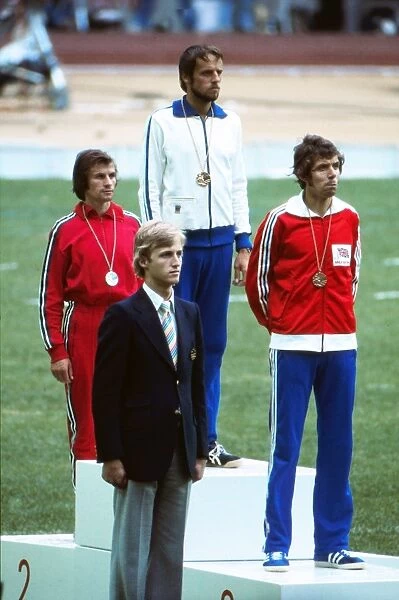
The silver medalist Carlos Lopes (Portugal); gold: Lasse Viren (Finland); bronze: Brendan Foster (UK). Olympic Stadium, Montreal, Canada
It seems that this is the way Finns discovered Fuengirola: a beautiful place in the Spanish Costa del Sol (Málaga) where the weather is great during all the year.
The great migration: from holiday place to permanent residence
Pensioners with a penchant for the sun started then to buy their holiday residence there. After them, during the last couple of decades, their relatives (their children and grandchildren) started to use these houses as a “pied a terre” in one of the most beautiful coastal areas of Spain and Europe.
This town is, today, a sort of “little Finland”, where it is possible to reach all the services as in the Nordic country. There are Finnish private doctors and clinics, a school officially recognized by the Finnish minister of education, shops selling food and objects made in Finland, restaurants, and so on. Do you need something in Spain that is made in Finland? That can be found in Fuengirola.
Why not for us?
As usual, we are going to tell our own point of view and talk about our own opinions and experience.
A few years ago, we started to think about future plans of retiring in a warm place in Southern Europe. We decided to explore Spain as I had previously lived there and Ari, my husband had visited several times. Of course, as we lived in Finland, the first place that we considered was Fuenguirola, in Andalusia. However, this town was also the first we excluded once we visited Andalusia last year. Why?
Coming from Finland, in our view, a family might look for two different types of destinations: one, a place where to enjoy an easy life in matter of using own language, services, having options for amenities (restaurants, bars, amusement parks), etc. or, the second option is a place where the language is Spanish, the towns are silent, large empty spaces, calm and relax with the possibility to be immersed in the Spanish culture and traditions, meaning also, in the best scenario, the possibility to become part of a healthy local community. What did we want?
The second option was for us.
When we came to visit Spain, in 2023, we understood that Costa del Sol, despite the beauty of the region, was too gentrified for our taste. How about the cost of life? Unbelievably expensive!
This year we have been a couple of times to Fuenguirola. We visited the center and we thought we had come across a sort of crowded copy of Finland. What could be, in the future, the beneficial effect of such a move for us and our child? How would it be to move an almost teen-ager to a place that is very crowded, and a paradise for holiday. Moreover, could we decide to keep her in Spain attending a Finnish school? In other words and to make an extreme example, if we want to eat karjalan piirakka and pay it the Finnish price did we really need to move over 3000 km far from Finland? How can we afford it if we decide to move permanently to Spain once we retire or before that?
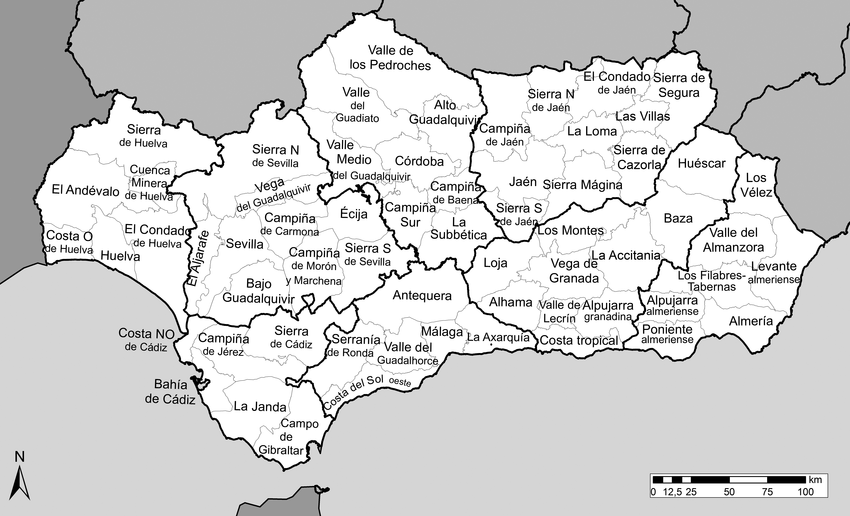
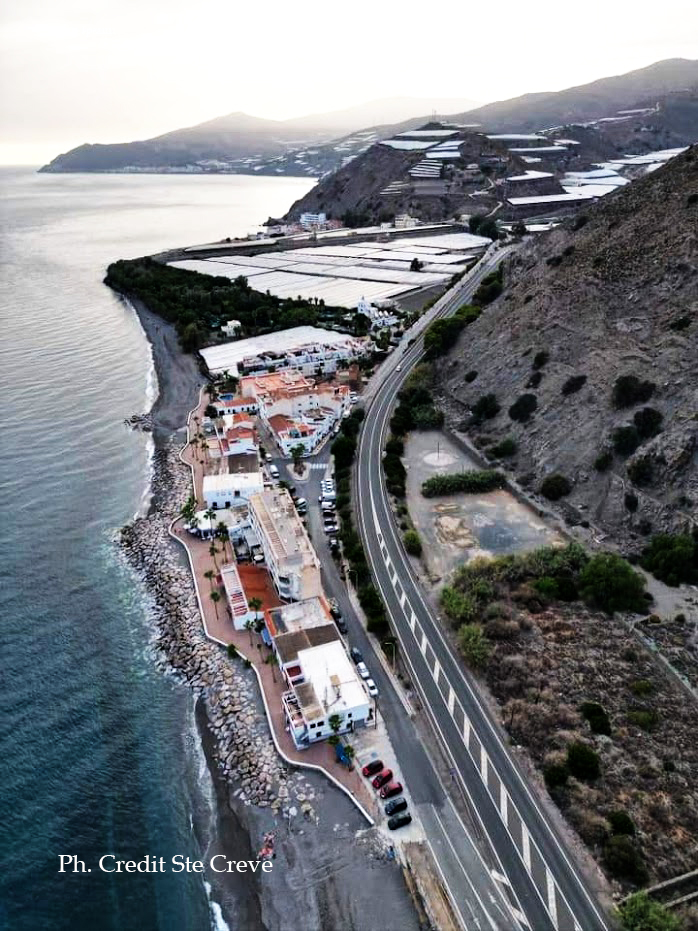
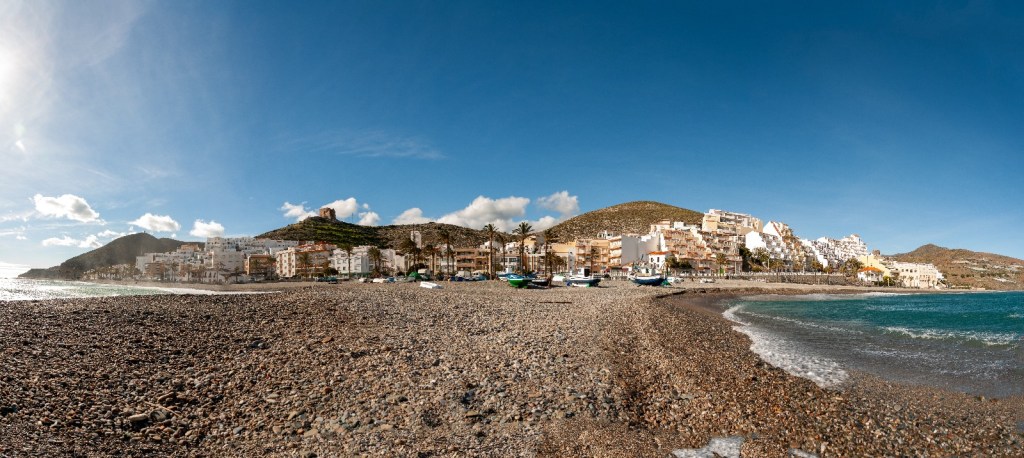
But in 2023 we also came across Costa Tropical. The coastal area of Granada, that actually is not very popular among Finns, but there is an international community made mostly of Belgian, Swedish, Dutch, British, American people and other citizens coming from all the world, living here and there along the coast. There is also a Nordic association, Los Nordicos, organizing meetings and events. The number of foreigners is anyway far less impacting then in Costa del Sol, meaning that Costa Tropical is an authentic Spanish environment with a Spanish cultural setting, and a more affordable cost of life then the neighbor areas. What else? International airports (Málaga and Granada) are as close as about one hour drive from the sea.

In Costa Tropical we “discovered” an authentic piece of world seemingly uncontaminated by the gentrification and surrounded by large spaces, rich in nature with sea and mountains looking at each other, amazing food as in all Andalusia, and yes, the point that convinced us to say “this is probably our place”: warm and welcoming people. Of course, the social dimension in Finland has nothing to do with the Southern European way of living a community. And this is what we really liked in Costa Tropical and today we are enjoying.
The key points to live in non-touristic Spain: language is the one
Speaking Spanish is very important. Language is too often considered an option. Well, it is not. Language is the identity of a people, a country. It is a value. Spain has official languages, castellano, euskera, catalán, gallego, valenciano, and wherever you are, you are asked to respect this important value and try to learn the local one. Children learn the official local language in school, adults can learn it in other contexts too.
Language is also the most important key factor for showing respect and the intention to integrate in a place. We cannot be just “expats” closed into our bubble. We are foreigners and we should gently find a place in this host space that is open and welcoming.
The fact that I speak the language and Ari is trying to learn it is highly appreciated: he can already order a coffee :). Our child attending the public school is another key point for our integration process. In Andalusia the only official language is Castellano (well, the Andalusian way to speak it is interesting!), and this was a good reason to focus on this region.
Culture, social life and traditions.
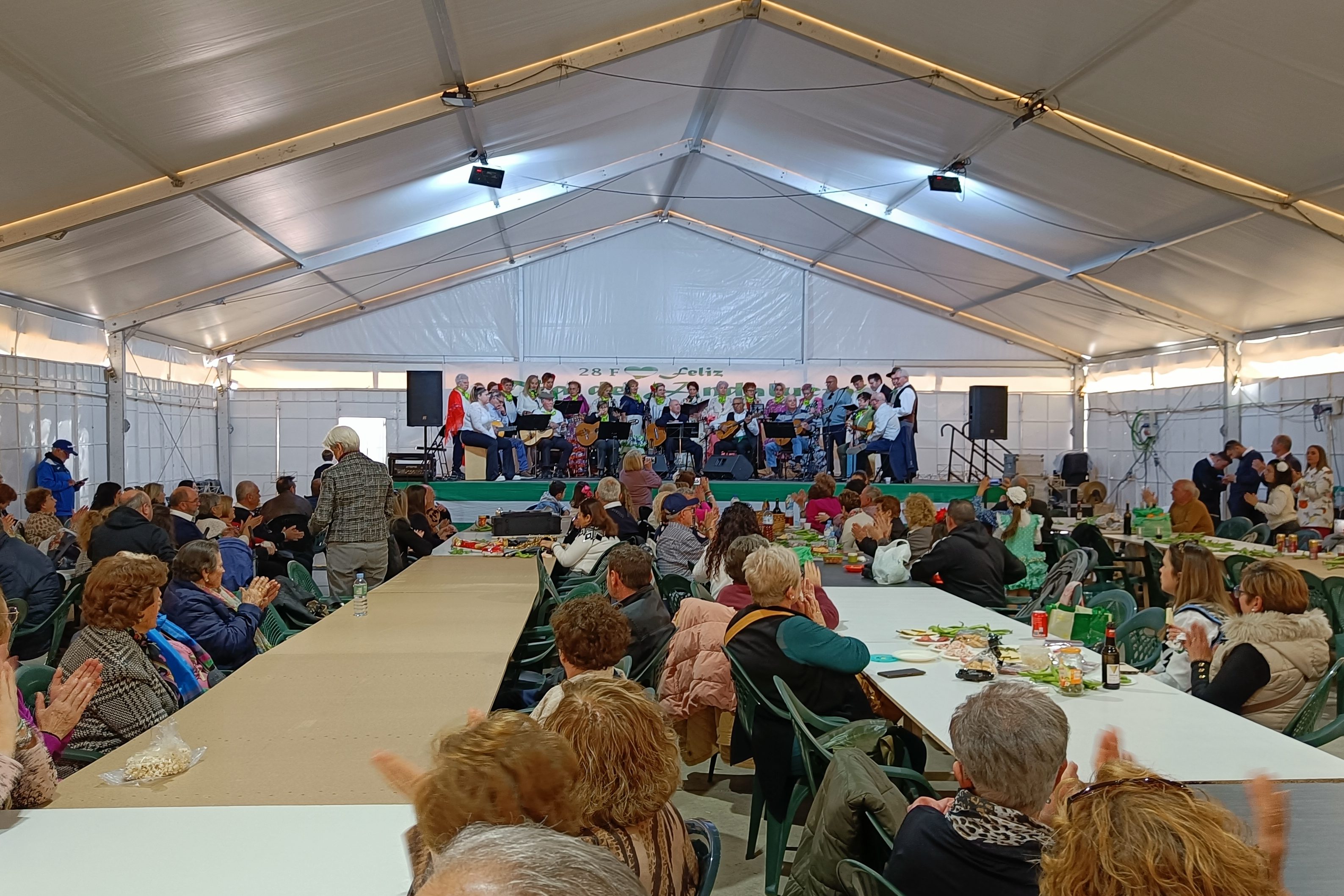
We wanted to find a place where to live an authentic Spanish entourage. To have a full immersion in the Spanish culture, to enjoy the Spanish warm and welcoming social dimension that in Andalusia is a daily experience. We were trying to find a place with a good balance among these elements. and this is what we did not perceive that Fuenguirola could offer us. On the other hand, we think this balance is possible in Costa Tropical and now we are dancing with this place.
If you liked it, follow our blog and subscribe to receive a message when a new post is out!







Leave a Reply